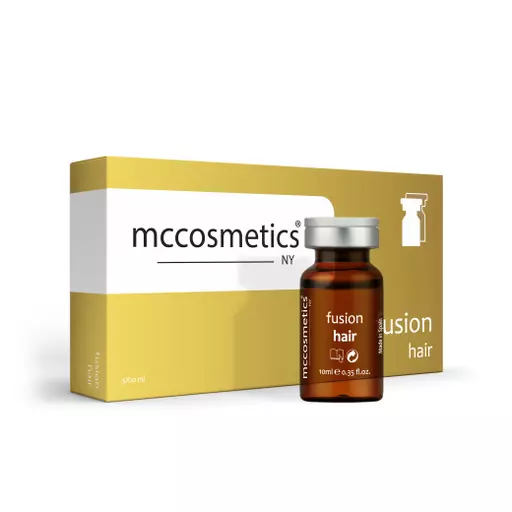
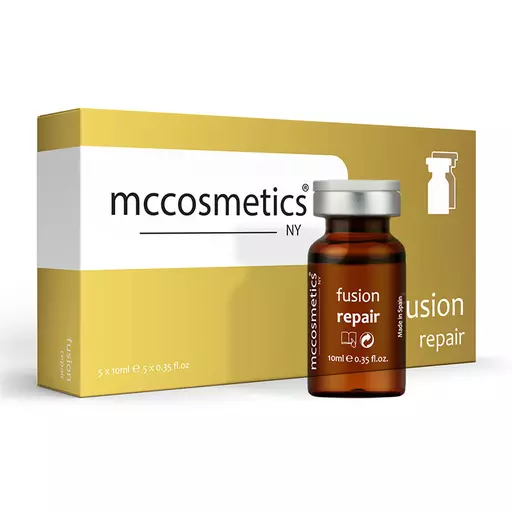
Everyone has heard the buzz around “PDRN”, “DNA skincare”, or even “Salmon sperm treatments”, but what actually is it, and why is it so popular?
A Quick Introduction to PDRN
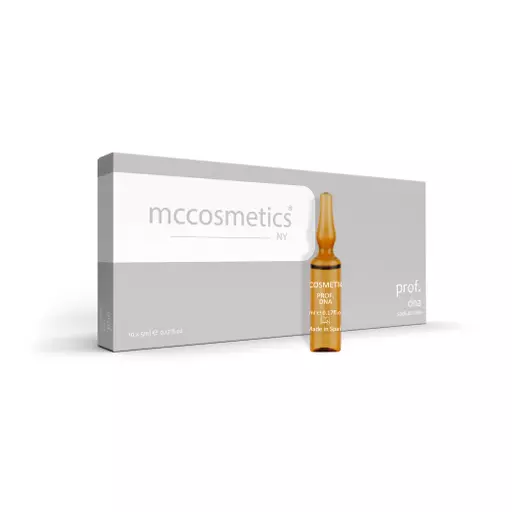
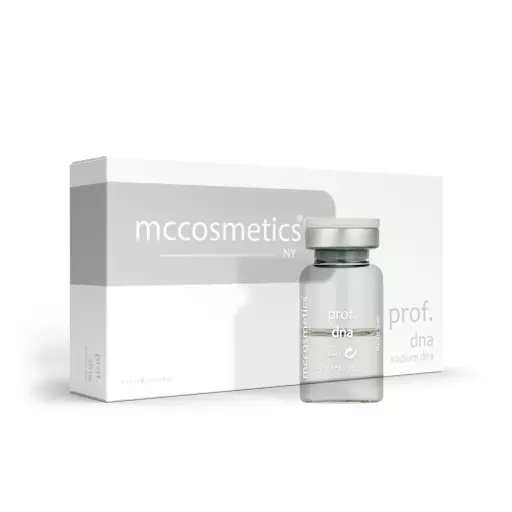
PDRN stands for polydeoxyribonucleotide, and it is made up of fragments of DNA. These fragments are usually extracted from the sperm cells of salmon trout or chum salmon. While it might seem strange to use fish DNA for skin rejuvenation, it has a huge range of positive effects including being anti-inflammatory, wound healing, and scar prevention effects. The extracted DNA is also highly purified and extremely biocompatible with human tissue, so it is perfectly safe for skin treatments.
Also Known As
There are many names for PDRN that can vary between products or that have gained popularity online. Here are some of common terms for PDRN or treatments featuring it:
- Sodium DNA
- Salmon sperm facial
- Polynucleotides (although technically not the same as PDRN, these terms are often used interchangeably)
- Salmon DNA
- DNA facial
Skin Rejuvenation
PDRN is usually applied with a transdermal technique, such as with microneedling, mesotherapy, and electroporation, but can also be used topically. The tiny DNA fragments stimulate essential tissue repair processes which accelerates wound healing, improves skin elasticity, reduces wrinkles, and can even support hair regrowth.
- Anti-ageing
- PDRN stimulates cell repair, reduces inflammation, and significantly improve skin hydration, elasticity, thickness, and wrinkle reduction.
- Acne Scar Reduction
- The anti-inflammatory and collagen synthesis effects help to reduce the development of acne scarring.
- Pigmentation
- PDRN inhibits melanin synthesis and supports skin whitening and managing hyperpigmentation.
- Hair Loss
- PDRN supports significant hair regrowth, improving both hair thickness and hair count.
Common Protocols
A popular way to use PDRN for anti-ageing and rejuvenation treatments is with microneedling. Many PDRN vials have a slightly viscous or gel-like texture, making them an ideal glide. An example treatment plan might have a series of 5 to 10 sessions at 2 to 4 weeks apart.
Injections techniques, such as point-by-point and Nappage, are commonly used with PDRN. Usually, fewer treatments are part of the initial plan. Many clients will be offered a plan of 3-5 treatments at 4-week intervals, then a maintenance session every few months.
Practical Tips
- Invest in Training: Comprehensive courses that cover both theory and practical are a must. Even minimally-invasive techniques should be approached with caution and care to ensure you are delivering a safe and effective treatment.
- Address “Salmon DNA”: Despite the hype around PDRN, some clients may be put off by the idea of introducing salmon DNA into their skin. Approaching these concerns proactively and factually can help provide reassurance.
- Manage Client Expectations: While PDRN is a fantastic ingredient, it is important to ensure your clients understand that results are progressive and will develop over time.
Conclusion
The buzz around PDRN is pretty justified. It has many amazing properties that make it ideal for beauty and aesthetics treatments and can be administered in a variety of ways. Clients should be made aware that no non-surgical treatment will be completely transformative, but long-term improvements can be achieved with various PDRN treatments. With quality products and proper training, you can introduce regenerative skin treatments into your clinic.
References
Akaberi, S.M., Sharma, K., Ahmadi-Ashtiani, H.R. and Hedayati, M. (2025). Polydeoxyribonucleotide in Skincare and Cosmetics: Mechanisms, Therapeutic Applications, and Advancements Beyond Wound Healing and Anti-aging. Journal of Skin and Stem Cell, [online] 12(1). doi:https://doi.org/10.5812/jssc-159728.
Khan, A., Wang, G., Zhou, F., Gong, L., Zhang, J., Qi, L. and Cui, H. (2022). Polydeoxyribonucleotide: A promising skin anti-aging agent. Chinese Journal of Plastic and Reconstructive Surgery, 4(4), pp.187–193. doi:https://doi.org/10.1016/j.cjprs.2022.09.015.