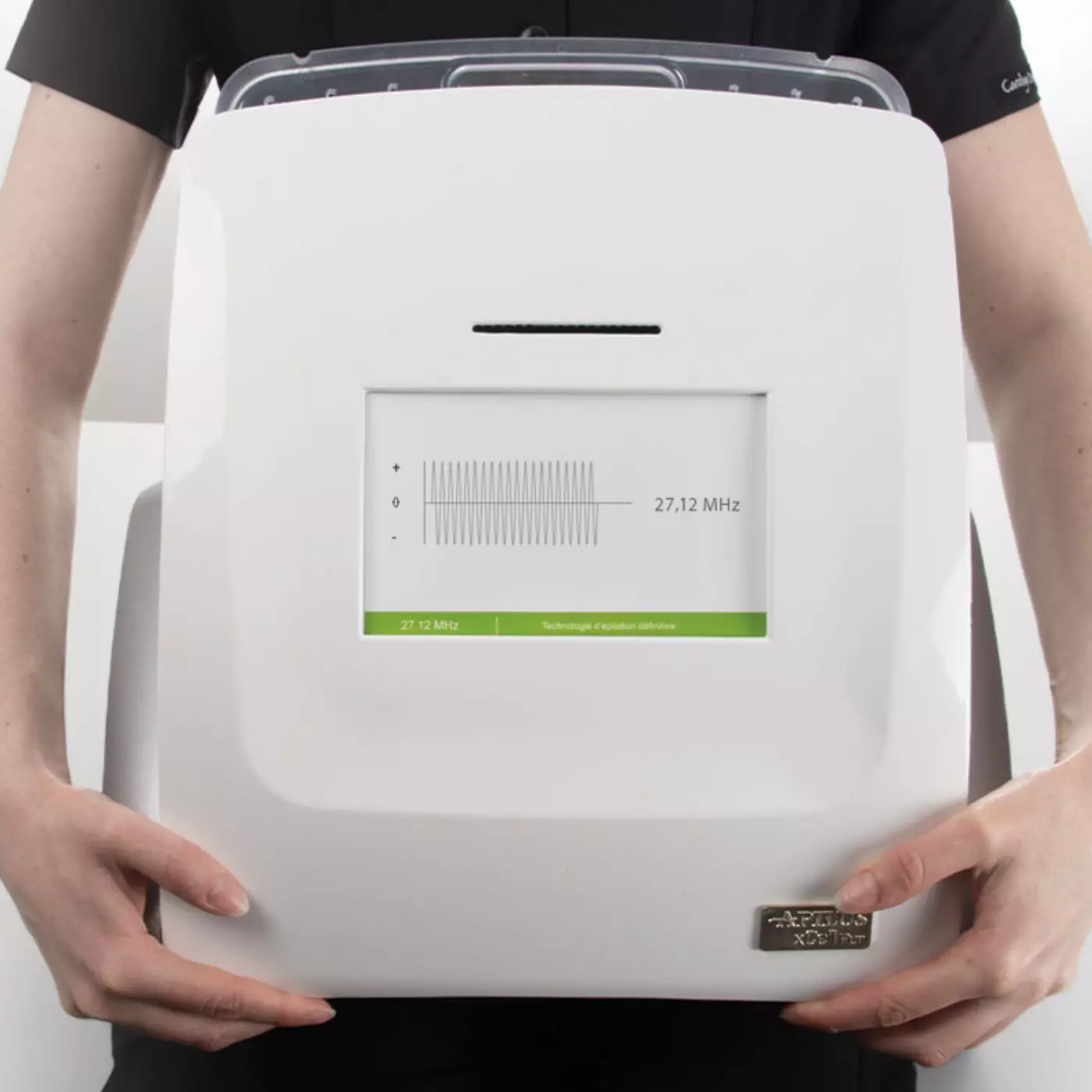
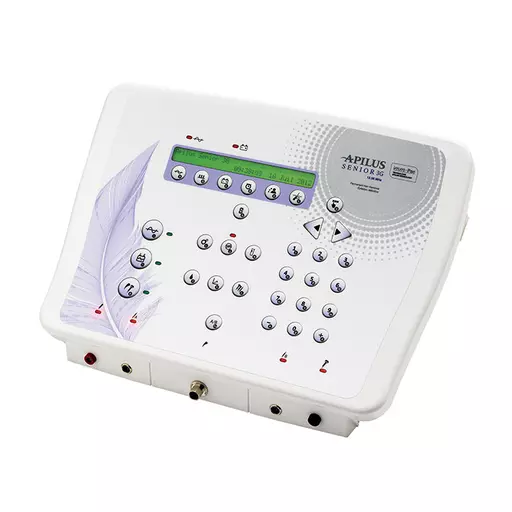
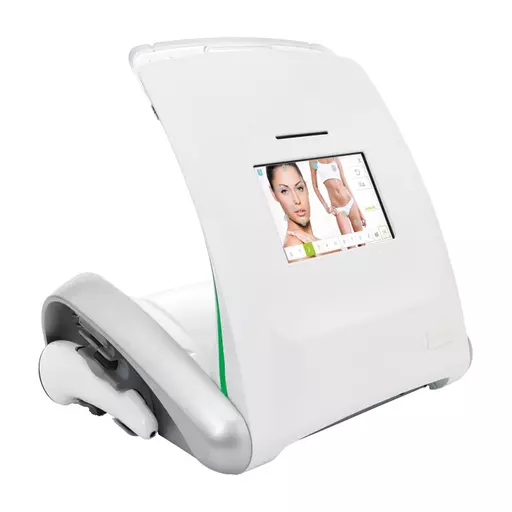
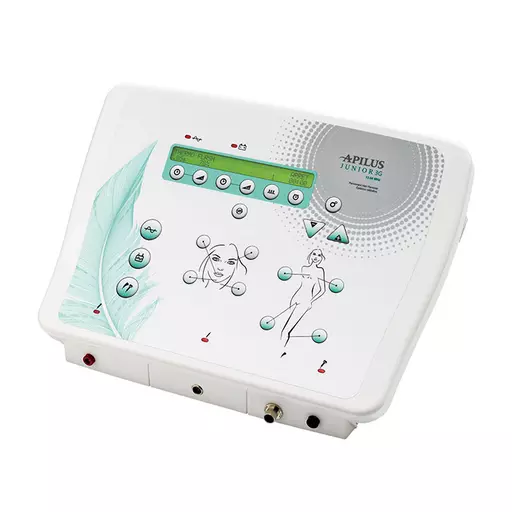
Apilus are innovators in the world of electrolysis, and with this expertise comes a collection of treatment modalities. When you’re upgrading to a machine like the Apilus xCell, the number of different modalities can feel a little intimidating, so we’re going to break down each mode to see how it works and what type of hairs it is designed to treat.
Entry-level electrolysis machines offer a handful of modes usually covering galvanic, thermolysis, and blend modes. As there are only a few basic options to choose from, the electrologist has limited flexibility, potentially limiting success as basic devices are often unable to cater for challenges such as a range of hair types, client sensitivity, and distorted follicles.
Thermolysis
When a high frequency current is applied, the energy emitted creates friction and heat is generated inside the hair follicle. This heat coagulates the cells and tissues responsible for hair growth.
Thermolysis offers very fast and more comfortable hair removal treatments, making it ideal for the face and more sensitive areas. Thermolysis is less effective than blend on deformed hairs and requires greater accuracy from the electrologist. The Apilus xCell offers an effective mode for telogen, fine hairs and sensitive clients, as well as a variety of modes capable of targeting cases of stubborn and distorted hairs. Apilus also developed a thermolysis mode that offers an alternative to blend.
PicoFlash
This thermolysis mode is exceptionally fast. This technique allows for highly localised coagulation at the base of the hair follicle while avoid heat diffusion to the surrounding tissues. PicoFlash is incredibly comfortable, making it ideal for clients with particularly sensitive skin.
Indications: Telogen, fine, and superficial hairs and sensitive clients.
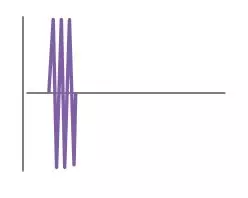
MeloFlash
This mode offers a slightly longer pulse duration of a few hundredths of a second but at a lower intensity. As the heat diffuses more widely, it is suitable for targeting stronger hairs.
Indications: Strong, deep, or dehydrated hairs, and stubborn telogen hairs.
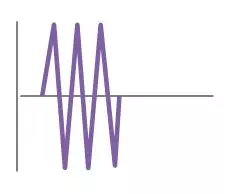
MultiPlex
The MultiPlex technology delivers a pulse of slow thermolysis followed by a rapid PicoFlash pulse. The slow thermolysis causes a slight warming in the follicle, increasing the porosity of the follicle and effectiveness of the PicoFlash. This technique offers an alternative to blend modes and can be used with a bulb-bulge movement.
Indications: Deep, difficult, or slightly distorted hairs, and stubborn telogen hairs.
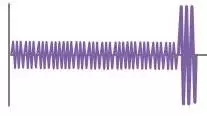
Synchro
This patented mode delivers dozens of of rapid pulses lasting about 0.002s – 0.005s each, with a small thermal relaxation gap between each pulse. This technique offers unparalleled effectiveness in treating deep and extra coarse hairs.
Indications: Deep and difficult hairs, and stubborn telogen hairs.
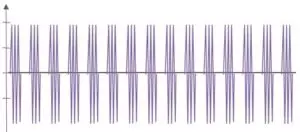
Blend
This combined current technique uses both galvanic and high frequency currents. Each current produces its own reaction to ensure a high level of efficiency. The galvanic current induces a chemical reaction that produces lye, while the high frequency current allows diffusion of low intensity heat into the follicle.
Blend modes are more effective on deep and distorted hairs in anagen phase. The Apilus xCell offers a series of blend modalities to cater for strong – particularly resistant hairs, as well as an alternative blend mode for more sensitive clients.
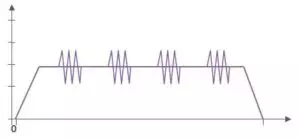
PicoBlend
This modality overlaps a pulse of low intensity thermolysis current over galvanic current at regular intervals. The high frequency thermolysis current is at a low intensity to prevent dehydration of the follicle.
Indications: Strong hairs.
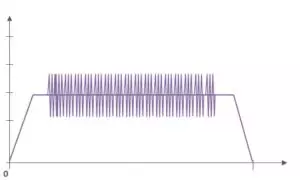
OmniBlend
Unlike traditional blend modes, OmniBlend emits both a galvanic current and a continuous high frequency current at a low intensity. The xCell automatically adjusts the high frequency current intensity according to the client’s sensitivity measured using the tolerance test function. It is comfortable and easy to use.
Indications: Strong hairs & comfortable alternative to PicoBlend.
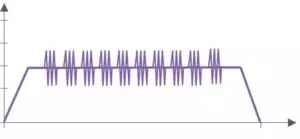
SynchroBlend
A galvanic current overlapped with several picopulses of 0.002s – 0.005s, each separated with a thermal relaxation period. This patented mode offers a more intense and advanced alternative to PicoBlend.
Indications: Stubborn, distorted, coarse, or deep hairs.
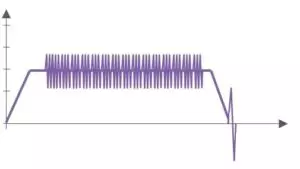
MultiBlend
Specially developed to permanently destroy particularly stubborn hairs that don’t respond to other blend modes. This mode combines OmniBlend with an additional PicoFlash emitted at the end of the application.
Indications: Stubborn, distorted, coarse, or deep hairs that have resisted other blend modes.
EvoluBlend
Designed for clients with sensitive skin, this mode aims to match the client’s tolerance level while treating stubborn hairs. A progressively increasing flow of galvanic current is applied, beginning at 0mA and ending at the tolerance level of the client. A thermolysis current is applied simultaneously.
Indications: Stubborn or distorted hairs with sensitive clients.
Pure Electrolysis
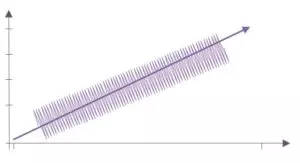
Electrolysis uses a pure galvanic current to create a biochemical reaction in the hair follicle. As both blend and thermolysis modalities have greatly advanced in recent years and are extremely effective, the pure galvanic mode is no longer popular as it takes so long.
Why Multiple Modalities Matter in Practice
While an abundance of modes may seem excessive, when it comes down to efficacy and client comfort, they are essential tools for every professional electrologist. Treating fine hairs on the face requires a different treatment to nearby stubborn chin hairs. With basic equipment, you’re essentially using a few tools for every hair, area, and client sensitivity. With the Apilus xCell, you’re able to select the optimal approach for every unique situation and client. This translates to more effective treatments, a more comfortable experience, and ultimately, higher client satisfaction.