Desktop

STRICTLY TRADE ONLY   I   01480 404 200   I   info@hofbeauty.co.uk   

Strictly Trade Only

   Top Brands

   Free Delivery Over £75

 Competitive Prices

Mobile

STRICTLY TRADE ONLY

   Top Brands

   Free Delivery

 Competitive Prices


What is Fractional Radio Frequency?

What is Fractional Radio Frequency?


As aesthetic professionals, keeping a close eye on emerging technologies that can deliver superior results for our clients is essential. Fractional Radio Frequency (FRF) has become a popular new technology for skin rejuvenation and lifting. But what is it? And how does it differ from traditional Radio Frequency (RF) technologies?


Understanding Fractional Radio Frequency

FRF is an advanced energy-based treatment that takes the proven benefits of standard RF and turns it into a much more targeted treatment with fast recovery times.

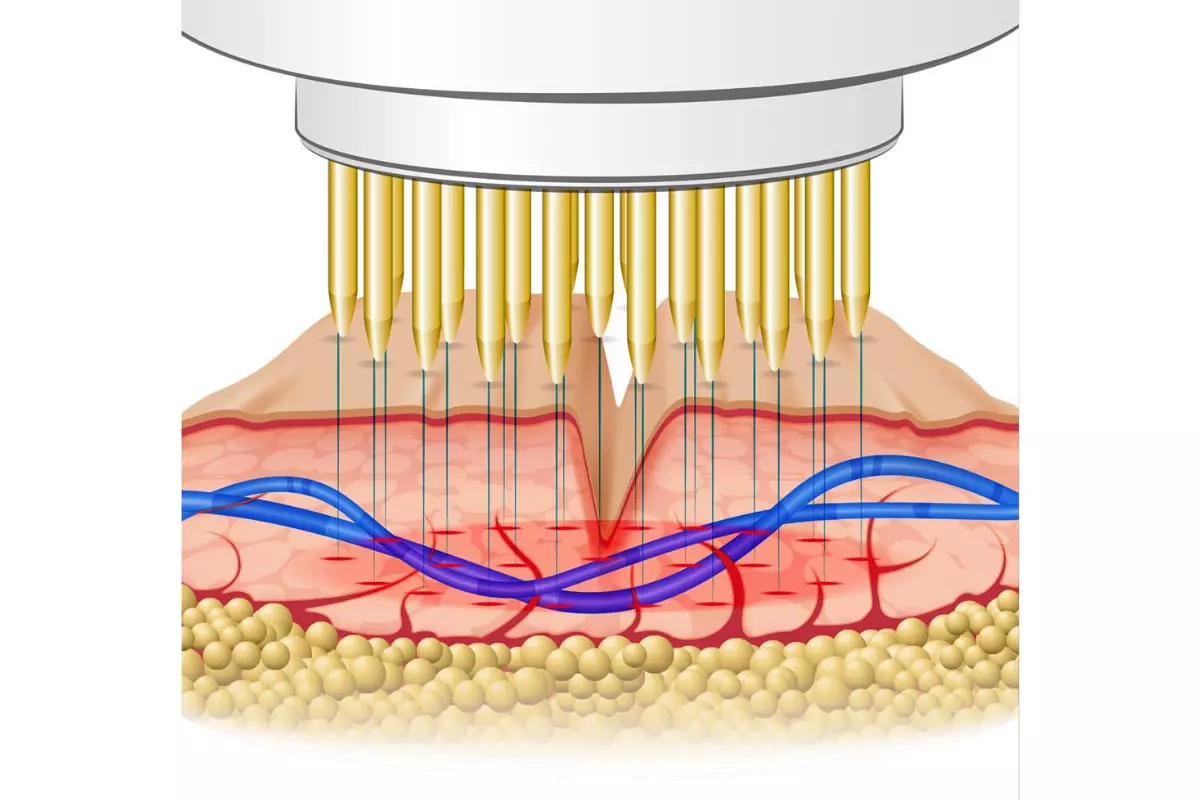
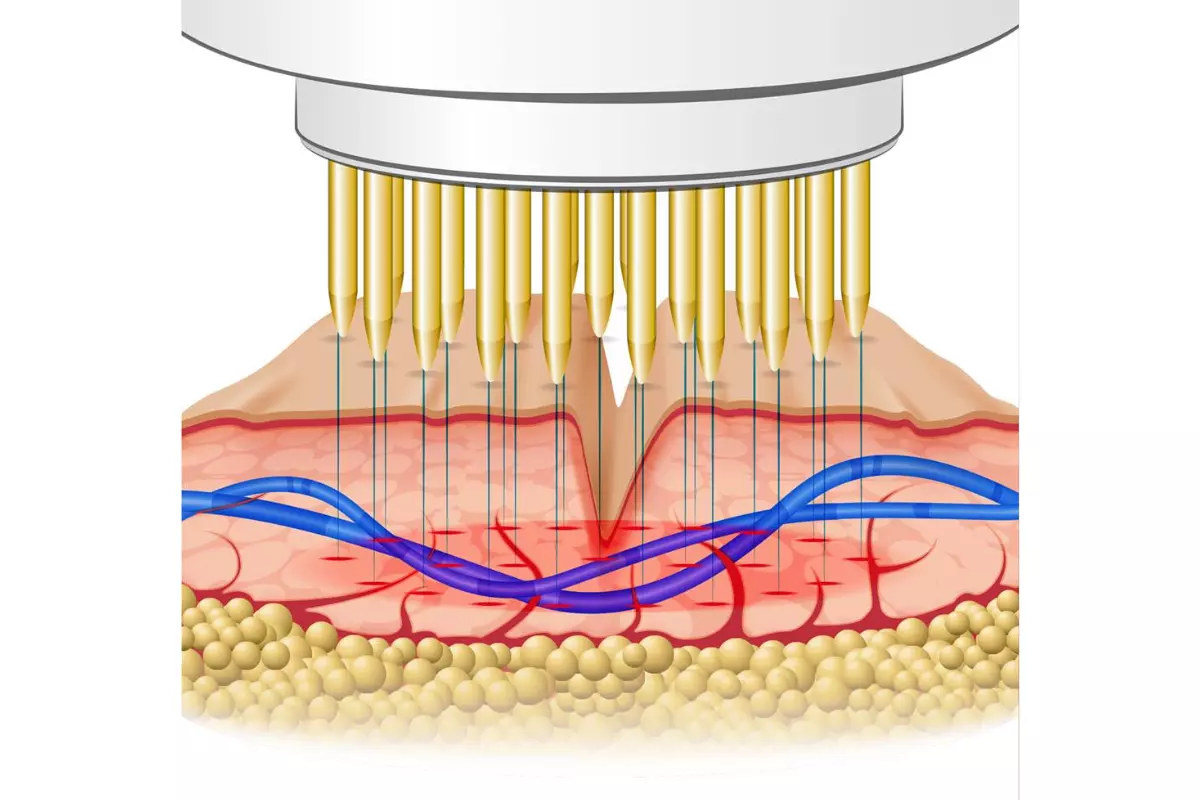
While RF is normally delivered via a handpiece with up to 4 poles, FRF handpieces have many small poles arranged in a grid pattern. FRF is applied in a gentle stamping motion, rather than the traditional glide we often use with non-invasive aesthetic technologies. This repetitive stamping ensures that the energy is delivered in the precise pattern of the electrodes – which is what makes FRF unique.

Imagine a chessboard – every black square is an electrode on the FRF handpiece, and every white square represents the gaps in-between. Energy is delivered to deep skin layers in this pattern, selectively heating the tissues in a series of columns (the black squares) and while also leaving a series small columns of unaffected tissue (the white squares). As the natural healing process is stimulated, all of the small, unaffected areas support the renewal of the surrounding tissues. The result is a much faster recovery and quicker visible results.

Types of FRF

There are two key versions of FRF available on the professional beauty market. FRF microneedling and non-invasive FRF. Both use the same technology and principles but deliver the energy in slightly different ways.

FRF Microneedling

Sometimes called RF microneedling, this version uses microneedles to deliver the energy. A recent safety announcement from the Food & Drug Administration (FDA) warned both practitioners and clients of reports of “serious complications” such as “burns, scarring, fat loss, disfigurement, and nerve damage” from combined RF microneedling devices. While these devices can be very effective, they also have the potential for serious adverse side effects when used incorrectly. Full training and education on both the device and the technology should be undertaken before offering this as a treatment.

Non-Invasive FRF

Also known as sublative FRF, this version uses electrodes that do not pierce the skin. Energy is still transmitted deep into the skin, stimulating key processes to lift and tighten the skin. Without the additional microneedling aspect, the risk of side effects beyond erythema are much lower and studies still report significant improvements in clients receiving this treatment.


Client Experience

With non-invasive FRF, clients can expect no downtime at all. As there is no broken skin or significant surface level trauma, clients can return to their normal activities right away. Initial results can be seen after just a few weeks thanks to the speedy regeneration process that FRF offers. Optimal results will be seen after a few months as the client completes their initial course of treatments.


Key Takeaways

FRF in any form can offer significant lifting results. RF microneedling requires a deeper level of education and training to deliver safe and effective treatments. Non-invasive FRF is also highly effective but is much more user-friendly and offers a more pleasant client experience.

For clinics looking to enhance their treatment menu while also providing fantastic results, FRF technologies are a great option. Many devices have multiple technologies, making for an ideal investment opportunity. The impressive results and safety offered by non-invasive FRF makes for an excellent addition to any beauty or aesthetic clinic focused on delivering cutting-edge, results-driven treatments.


References

  1. Kleidona, I.A., Karypidis, D., Lowe, N., Myers, S. and Ghanem, A. (2019). Fractional radiofrequency in the treatment of skin aging: an evidence-based treatment protocol. Journal of Cosmetic and Laser Therapy, 22(1), pp.9–25. doi:https://doi.org/10.1080/14764172.2019.1674448.
  2. Center (2025). Potential Risks with Certain Uses of Radiofrequency Microneedling. [online] U.S. Food and Drug Administration. Available at: https://www.fda.gov/medical-devices/safety-communications/potential-risks-certain-uses-radiofrequency-rf-microneedling-fda-safety-communication.
  3. Weiss, R. (2013). Noninvasive Radio Frequency for Skin Tightening and Body Contouring. [online] Available at: https://cdn.mdedge.com/files/s3fs-public/issues/articles/SCMS_Vol_32_No_1_Skin_Tightening.pdf.
  4. Mulholland, R.S. (2011). Radio Frequency Energy for Non-invasive and Minimally Invasive Skin TighteningClinics in Plastic Surgery, 38(3), pp.437–448. doi:https://doi.org/10.1016/j.cps.2011.05.003.
  5. Mohammad Ali Nilforoushzadeh, HeidariKharaji, M., Tannaz Fakhim, Elham Torkamaniha, Tehrani, S., Shohreh Delavar, Shohreh Rafiee, Nouri, M., Niloufar Najar Nobari and Mohammadhasan Shahverdi (2023). Treatment of periorbital hyperpigmentation using sublative fractional radiofrequency (SFR). Skin research and technology, 29(9). doi:https://doi.org/10.1111/srt.13467.