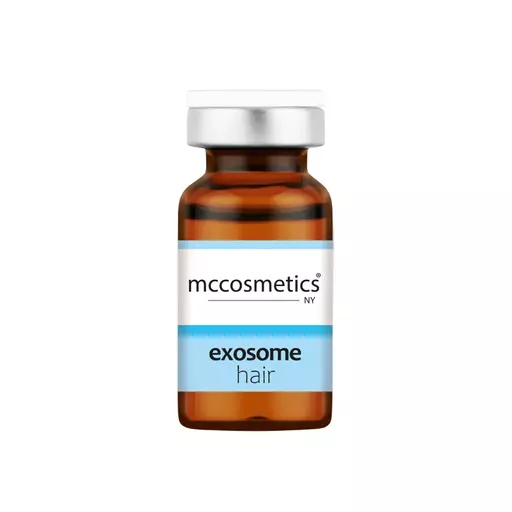
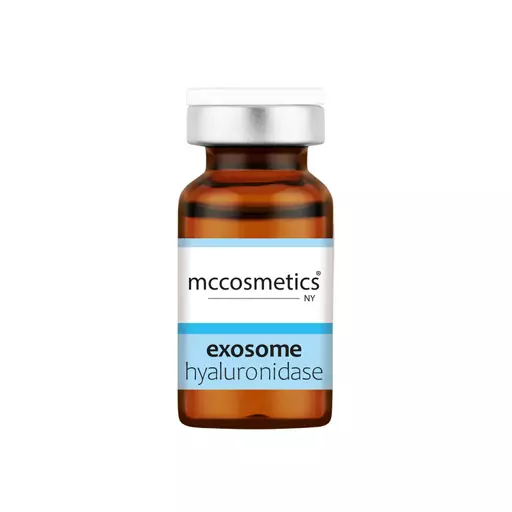
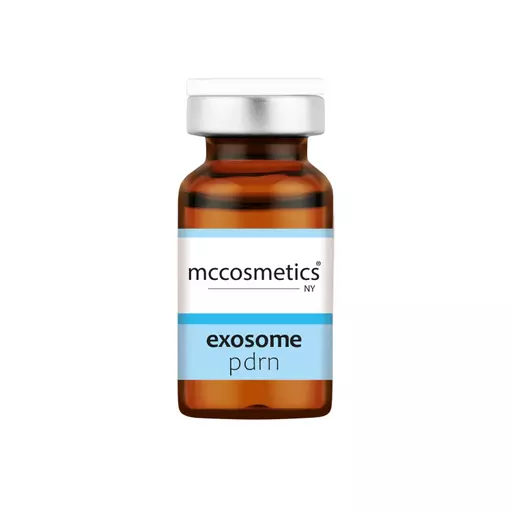
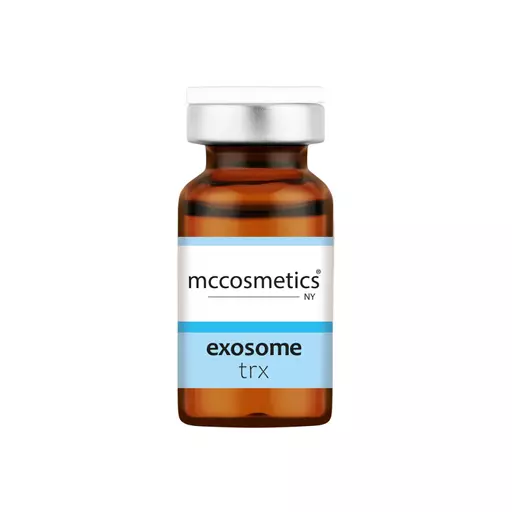
Exosomes have rapidly emerged as an exciting new development in beauty and aesthetics. In particular, exosomes have shown great results with hyperpigmentation, rejuvenation, and hair loss. They can be found in a wide variety of products including home-care creams and professional serums.
What are Exosomes?
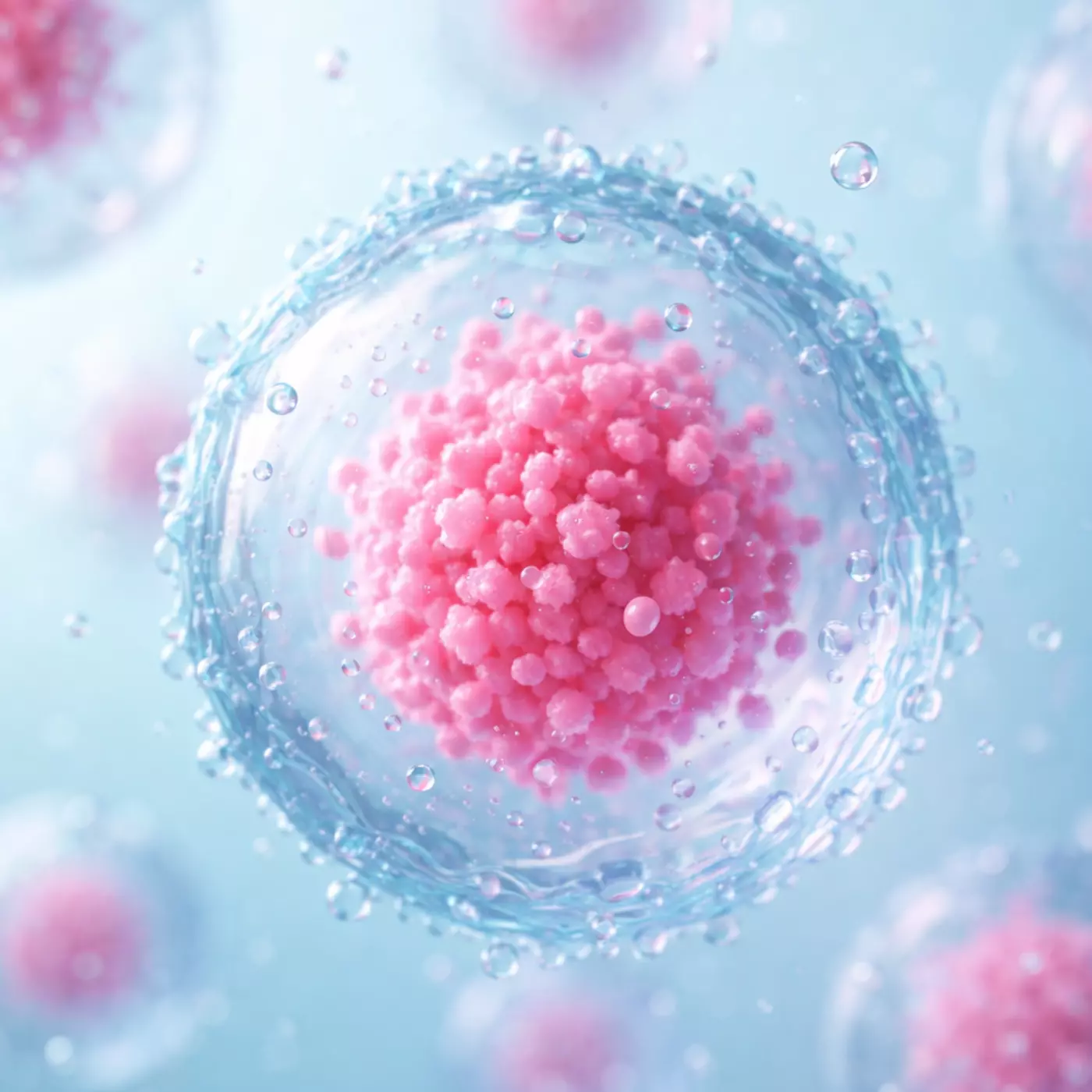
Exosomes are essentially tiny packages take cargo to and from cells. These extra-cellular vesicles can carry materials like proteins, nucleic acids, and growth factors. When they deliver their cargo to a cell, they influence the cell’s behaviour and function. Depending on the type of exosome, they have the potential to stimulate collagen & elastin production, improve fine lines & wrinkles, and support wound healing.
Exosomes in Aesthetics
When applied topically or with technologies to improve transdermal delivery, exosomes can easily pass through the stratum corneum and be absorbed into the dermis and deliver cargo directly to the skin cells. Unlike most other cosmeceutical ingredients, exosomes can modify cell responses to offer key benefits to counteract signs of ageing, sun damage, hair loss, and other concerns.
These versatile vesicles can be incorporated into a wide range of beauty and aesthetics treatments. They are most commonly used in combination with microneedling for both anti-ageing and hair growth treatments. The natural healing response to microneedling compliment the processes carried out by exosomes while the microchannels created during the treatment enhance their absorption. When using together, a sterile exosome product should be applied after the microneedling process.
They are also complimentary to microdermabrasion, chemical peels, and other treatments that allow for enhanced product penetration. As exosomes play a role in wound healing, many professionals find that clients experience less inflammation and faster recovery times.
Types of Exosomes
Milk Exosomes
Rich in proteins and lipids, milk exosomes stimulate collagen production and reduce inflammation, making them ideal for anti-ageing treatments. Exosomes derived from milk are much more readily available than most other types of exosomes. Despite the source, as exosomes are specially processed and purified, they are highly unlikely to cause any adverse reactions for those with milk allergies or intolerances.
Plant Exosomes
Usually derived from fruits and vegetables, plant exosomes are highly biocompatible and have anti-inflammatory and antioxidant properties. Their ability to promote the growth of new blood vessels, increase cell viability, and support general wound healing make them a useful tool in the treatment of hair loss.
Human Exosomes
Exosomes can be extracted from stems cells harvested from many parts of the body. The most common sources are the umbilical cord, adipose tissue, and bone marrow. Human-derived exosomes are used in the USA and other parts of the world. In the UK and EU, cosmetic products are banned from containing “cells, tissues or products of human origin”, and a spokesperson for the Department of Business and Trade told the Guardian “Exosomes of human origin are banned in cosmetics that are sold in the UK”.
When choosing exosome products to use in your clinic, there are a couple of key things that it is important to look out for.
- Exosome Source
With a wide range of sources that exosomes can be derived from, it is important that you know what you’re introducing to your client’s skin and avoiding any products that appear to contradict local laws. Within professional beauty, milk and plant based exosomes are widely used and favoured by well-known brands. Most professional brands will specify the source(s) of their exosomes making it simple to choose suitable products for your treatments.
- Safety
Especially when used with technologies like microneedling, the products you use should be of high quality and sterile, usually packaged in glass ampoules and vials.
Why Clients Choose Exosome Treatments
With a refocus in the beauty and aesthetics industries on more subtle results, “tweakments”, and natural ingredients, exosomes have grown in popularity. Exosomes work with your cells, essentially providing them with the tools to repair and promote a youthful appearance. Many clients prefer the idea of enhancing their appearance with processes that are less invasive and feel more “natural”.
Exosome-based treatments are still a new and exciting area in professional beauty and aesthetic medicine. As research into exosomes for beauty therapy continues, we are likely to see new delivery systems, personalised products, and innovative formulations.
With their ability to improve a wide range of skin concerns, suitability for use with many common aesthetics technologies, and ongoing research, exosome popularity is likely to continue to grow.
References
https://www.mdpi.com/2079-9284/10/2/65
https://www.sciencedirect.com/science/article/pii/S2352320424001792
https://onlinelibrary.wiley.com/doi/am-pdf/10.1002/der2.250
https://journals.lww.com/prsgo/fulltext/2025/06000/the_efficacy_of_combined_exosome__exodew__and.17.aspx?context=latestarticles
https://onlinelibrary.wiley.com/doi/pdf/10.1111/jocd.16766
https://link.springer.com/content/pdf/10.1186/s13287-025-04620-y.pdf