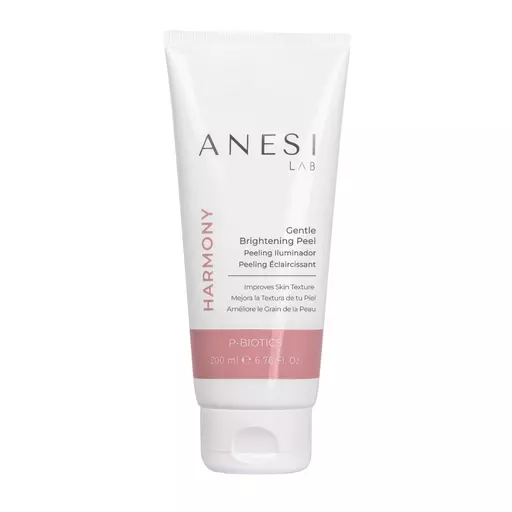
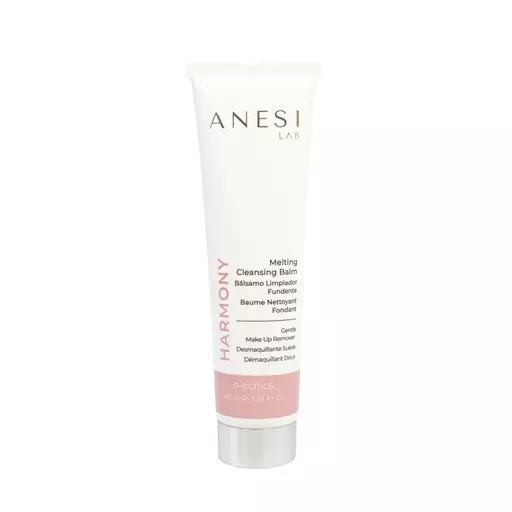
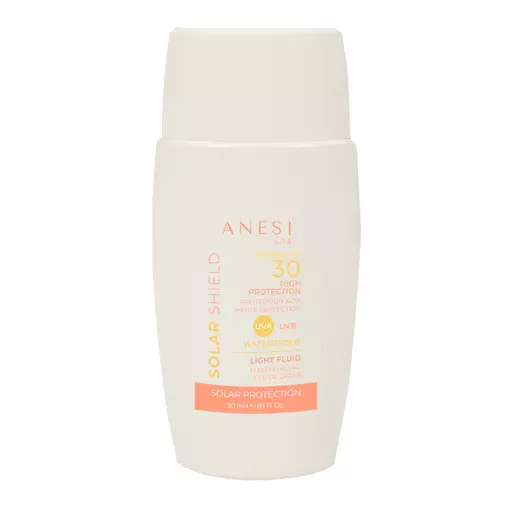
As more of the population lives and works in urban environments, the skin is increasingly exposed to complex environmental stressors. Pollution is now recognised as a major contributing factor to a wide range of skin concerns, from sensitivity and dehydration through to premature ageing and uneven pigmentation.
For skin professionals, this shift is important. Many of the concerns seen in clinic today are not solely driven by internal factors or lifestyle. They are influenced by daily environmental exposure. Understanding the impact of pollution on the skin, particularly its effect on barrier function, is essential to delivering results that are both visible and sustainable.
What Do We Mean by “Urban Pollution”?
Urban pollution refers to a combination of airborne chemicals and particles, including:
- Particulate matter (PM2.5 and PM10)
- Volatile organic compounds (VOCs)
- Ozone (O₃)
- Polycyclic aromatic hydrocarbons (PAHs)
- Nitrogen dioxide (NO₂)
These pollutants are primarily generated from:
- Traffic emissions
- Industrial activity
- Construction
- General urban living environments
Crucially, the skin is the first point of contact with these stressors. Over time, repeated exposure contributes to cumulative damage that affects both the surface of the skin and deeper structures.
How Pollution Disrupts the Skin Barrier
When functioning well, our skin barrier helps to prevent water loss and limits the penetration of irritants. Pollution can disrupt the careful balance of lipids, microbes, and skin cells that play key roles in skin defence.
Oxidative Stress - One of the most significant mechanisms is oxidative stress. Pollutants generate reactive oxygen species, which overwhelm the skin’s natural antioxidant defences. This imbalance leads to damage at a cellular level, affecting lipids, proteins, and DNA. As these structural components degrade, the barrier becomes weaker and less efficient.
Inflammation - At the same time, pollution triggers inflammatory pathways within the skin. This contributes to redness, reactivity, and the exacerbation of existing skin concerns. Chronic exposure can lead to a persistent state of low-level inflammation, which further compromises the barrier and accelerates visible ageing.
TEWL - Another key factor is the increase in transepidermal water loss. Research has shown that exposure to particulate matter and environmental pollutants is associated with higher TEWL levels, which indicates reduced barrier integrity. As water loss increases, the skin becomes dehydrated and more vulnerable to irritation.
Why Barrier Health Is Central to Treatment
When the barrier is compromised, the skin becomes less resilient. It loses its ability to protect itself and becomes more reactive to both external aggressors and topical treatments. This can lead to a cycle in which ongoing damage prevents effective correction.
- Active ingredients become less well tolerated
- Treatments can trigger irritation rather than improvement
- Healing processes are slowed
Pollution creates a cycle:
- Barrier damage
- Increased penetration of irritants
- More inflammation
- Further barrier breakdown
Breaking this cycle requires a barrier-first, skin health-led approach.
Professional Skincare Strategies for Urban Skin
1. Thorough but Gentle Cleansing
Pollutants accumulate on the skin throughout the day.
Effective cleansing helps:
- Remove particulate matter and toxins
- Prevent pore congestion
- Reduce oxidative stress load
Double cleansing is often recommended in urban environments to remove both oil-soluble and water-soluble pollutants.
2. Antioxidant Protection
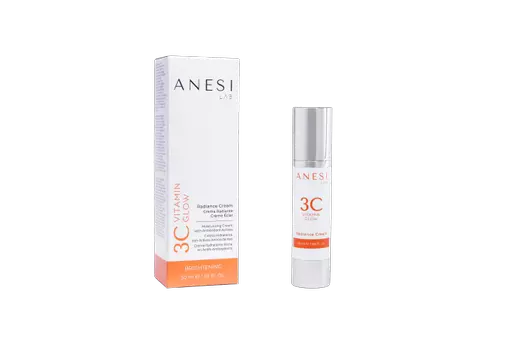
Given the role of oxidative stress, antioxidants are essential in both professional treatments and homecare.
They help:
- Neutralise free radicals
- Reduce inflammation
- Support repair processes
Key examples include:
- Vitamin C
- Vitamin E
- Polyphenols
- Carotenoids
Antioxidants are widely recognised as critical in defending against pollution-induced skin damage and ageing.
3. Barrier Repair & Lipid Replenishment
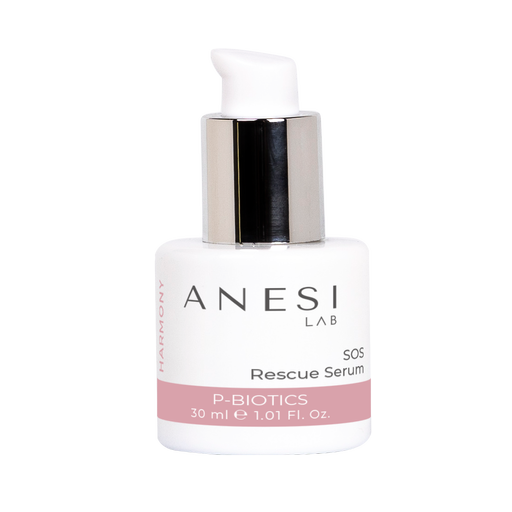
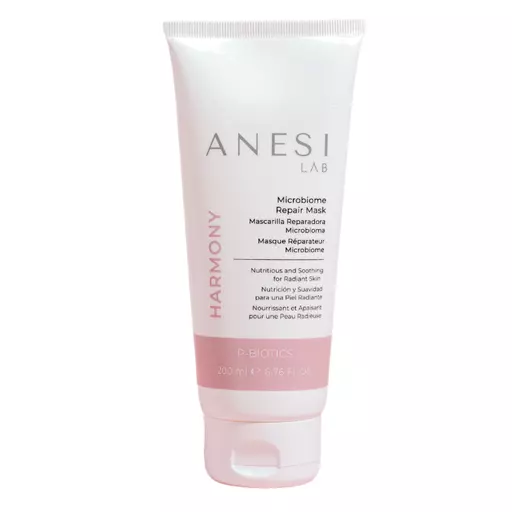
Rebuilding the barrier and rebalancing the microbiome is foundational.
Focus on ingredients that:
- Restore lipid structure (e.g. ceramides)
- Support the microbiome (e.g. pre & postbiotics)
- Improve hydration retention
- Strengthen resilience
Supporting the barrier reduces TEWL and improves tolerance to both environment and treatments.
4. SPF & Environmental Protection
UV radiation and pollution often work synergistically, amplifying damage.
Daily SPF:
- Protects against UV-induced oxidative stress
- Helps mitigate combined environmental damage
5. Targeted Professional Treatments
For urban skin, treatments should prioritise:
- Skin health and repair
- Controlled exfoliation
- Hydration and barrier restoration
Rather than aggressive resurfacing, a progressive, supportive approach typically delivers better long-term results.
The Future of Urban Skincare
Interest in pollution-related skin concerns continues to grow. Research is increasingly focused on advanced antioxidant systems, microbiome-supportive treatments, and strategies that strengthen barrier resilience.
Emerging approaches include formulations designed to neutralise pollutants directly, as well as treatments that support the skin’s natural repair mechanisms. These developments reflect a broader shift towards prevention and long-term skin health rather than short-term correction.