PCOS & Hirsutism
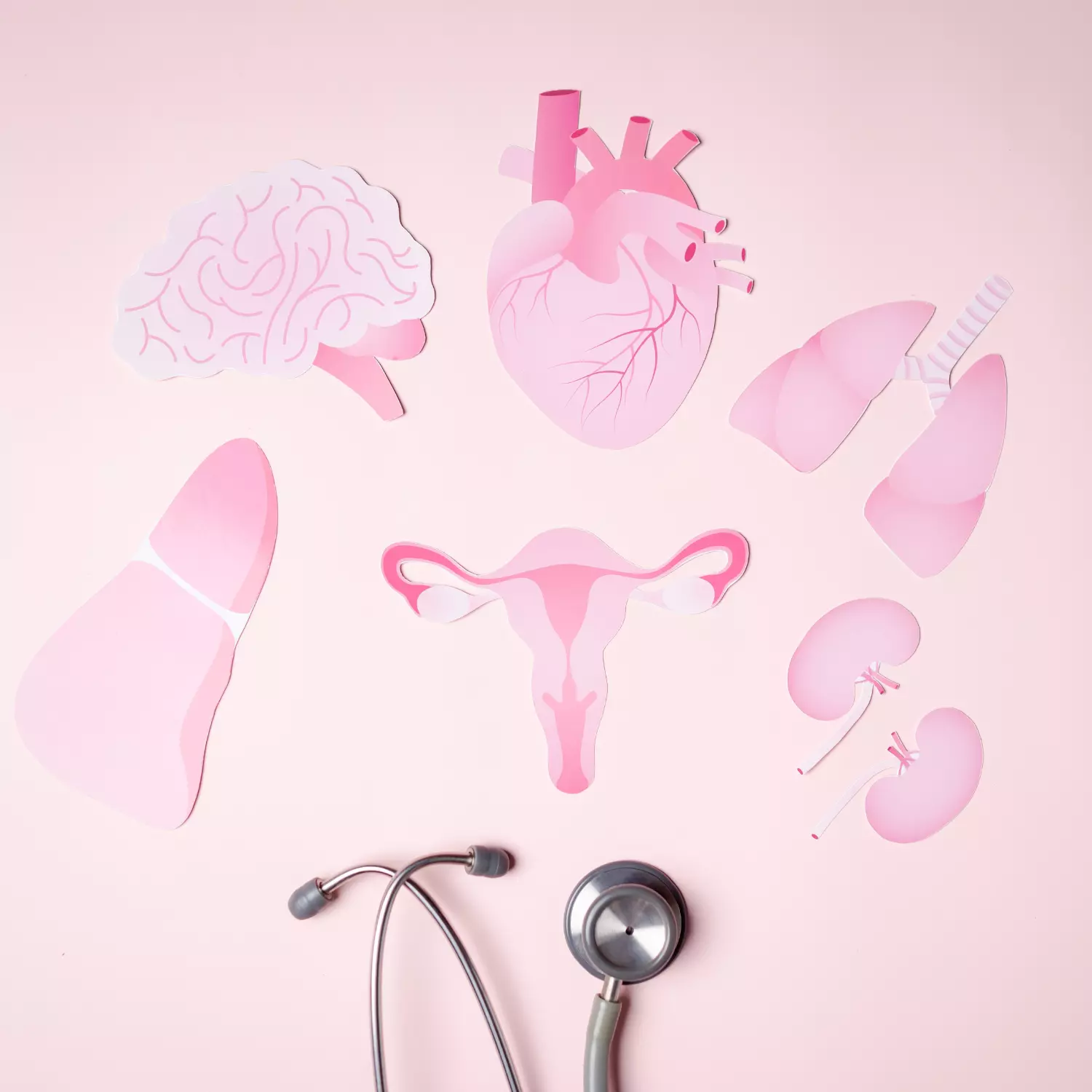
Polycystic Ovary Syndrome (PCOS) is a common endocrine disorder that affects anywhere between 5 to 15% of the female population. Individuals with PCOS have elevated androgen levels (male hormones) that cause a variety of symptoms. Common symptoms include; irregular periods, acne, fertility issues, and hirsutism (excess hair growth).
Hirsutism is the presence of terminal hair with a male pattern distribution in women. This is usually seen as excess hair on the face, chest, and lower abdomen. About 4-11% of the female population is affected by hirsutism, while an estimated 65-75% of women with PCOS are thought to be hirsute. This excess hair growth often negatively affects self-image and confidence, leading to many individuals with PCOS seeking out hair removal treatments. Early studies and anecdotal reports suggest that PCOS clients receiving laser hair treatments experience hair growth instead of reduction.
What Causes Paradoxical Hypertrichosis?
Unexpected hair growth after laser hair treatments is a common topic of discussion on social media. Known as paradoxical hypertrichosis (PH), this phenomenon is not yet fully understood, but key factors that contribute to PH have been identified.
Substandard Treatment Levels
Current research suggests that when using energy levels that are too low to destroy the follicles, the energy may inadvertently stimulate the hair follicles resulting in excess hair growth. This may also stimulate previously dormant hair follicles.
Thick and Dark Hairs
Even though clients with thick and/or dark hairs are usually good candidates for laser hair reduction, this also comes with an increased risk of PH. Thick hairs and melanin rich hairs absorb the light energy and heats up more effectively. If the follicles aren’t destroyed, they may be stimulated instead.
Skin Type
PH is reported more frequently in clients with Fitzpatrick III-VI skin types, but it is not yet clear why.
Hormonal Conditions
PH is also more frequently reported in clients with hormonal conditions like PCOS. Laser treatments may stimulate dormant vellus hairs to transition into terminal hairs due to the elevated androgen levels in clients with PCOS.
A New Insight into PCOS and Hair Removal
A recent study published in June 2025 investigated the efficacy of electrolysis as an alternative to laser hair treatments in PCOS patients. The study focused on facial hair removal, areas that often have limited results in clients with hormonal conditions.
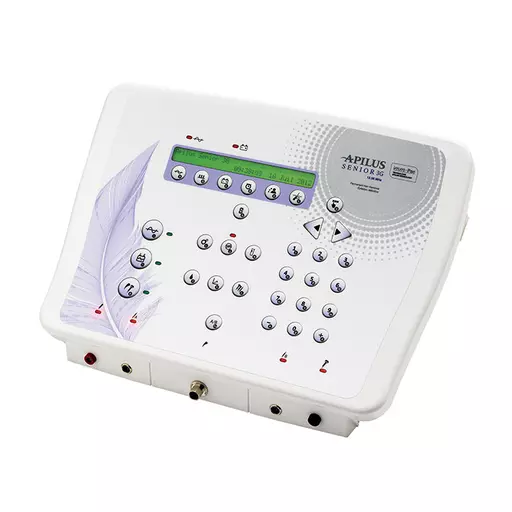
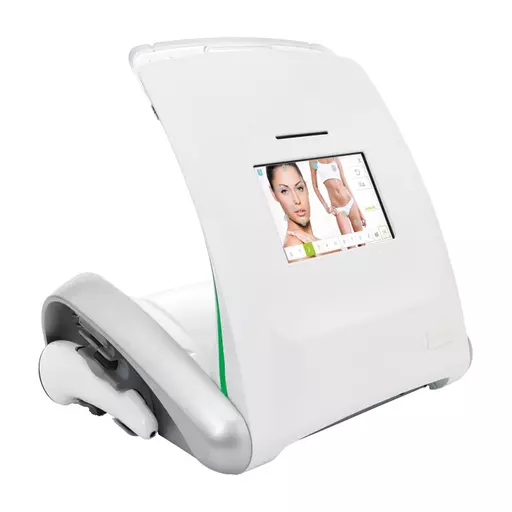
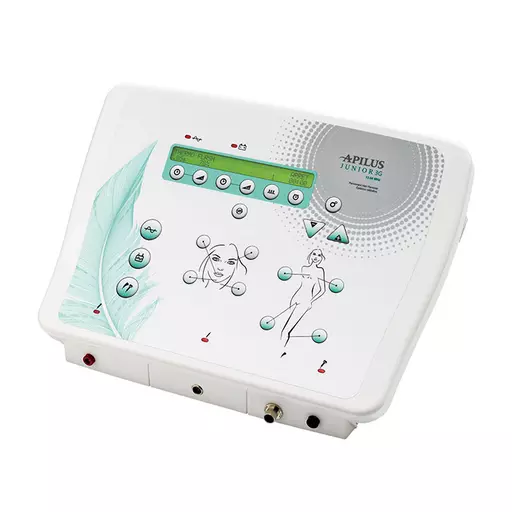
203 clients had a PCOS diagnosis and underwent a full course of electrolysis treatments with the Apilus xCell Pur. Each course lasted between 12 and 18 months.
The following areas were treated:
- Chin – 92% of clients
- Upper lip – 74% of clients
- Jawline – 68% of clients
After 1 year, only 11% of clients reported visible hair growth in the treated area(s) and 86% of clients reported a high level of satisfaction with the treatment.
A subgroup of clients with Fitzpatrick V-VI skin types was also analysed. Interestingly, of the 42 clients in the subgroup, 95% reported a high level of satisfaction after the full course of electrolysis treatments and 100% of the group reported they had previously experienced failed laser treatments.
Skin Reactions & Considerations
Across all clients, 7% had cases of Post Inflammatory Hyperpigmentation (PIH). The study suggests that to avoid PIH in clients with skin types V and VI, the energy settings used may have been inaccurate and customised treatment plans are essential for achieving the best outcome for the client.
The study also suggests that clients with PCOS may be more likely to experience negative side effects such as hyperpigmentation or skin irritation with both electrolysis and laser treatments. Temporary redness was reported in 90% of electrolysis and 70% of laser clients, hyperpigmentation was reported in 60% of electrolysis and 20% of laser clients, and paradoxical hypertrichosis was reported following 85% of laser treatments and 0% of electrolysis treatments.
The majority of clients that received electrolysis treatments in this study had previously had unsuccessful laser treatments. Despite the risk of adverse side effects following electrolysis, 86% of clients reported high satisfaction in their treatment results.
Overall, the study concludes that while laser is still a useful tool for reducing hair in larger areas of the body, electrolysis should be the first-line treatment for managing excess facial hair growth in clients with PCOS. While this study has its limitations, it offers an important discussion, building on pre-existing connections between PCOS, hair removal efficacy, and hair removal adverse effects that many hair removal professionals experience on a regular basis. This study supports the need for further research into this topic particularly regarding protocols and specific PCOS strategies, and the need to raise awareness of the potential risks that clients with PCOS may be more likely to face when receiving hair removal treatments.
References
Spritzer, P.M., Marchesan, L.B., Santos, B.R. and Fighera, T.M. (2022). Hirsutism, Normal Androgens and Diagnosis of PCOS. Diagnostics, [online] 12(8), p.1922. doi:https://doi.org/10.3390/diagnostics12081922.
Muhas, C., Nishad, K.M., Naseef, P.P. and Vajid, K.A. (2018). An Overview on Polycystic Ovary Syndrome (PCOS). International Journal of Current Pharmaceutical Research, [online] 10(6), pp.19–30. doi:https://doi.org/10.9734/bpi/tipr/v6/9810D.
Ivaskevych, M. (2025). Clinical efficacy of Electrolysis and Laser Hair Removal in PCOS patients. Emerging Frontiers Library for The American Journal of Medical Sciences and Pharmaceutical Research, [online] 7(06), pp.55–65. Available at: https://emerging
Montecinos, K., Sure Aygun, Lolis, M.S. and Goldberg, D.J. (2025). Trends in Paradoxical Hypertrichosis as a Result of Energy‐Based Hair Removal Devices. Dermatological Reviews, 6(3). doi:https://doi.org/10.1002/der2.70038.
Mukerjee, N. (2020). Polycystic Ovary Syndrome (PCOS) Symptoms, Causes & Treatments - A Review . International Journal of Science and Research (IJSR) , 9(7), pp.1949–1957. doi:https://doi.org/10.21275/SR20729004350.