Client education is one of the most powerful tools in your practice. Not only does it help to build trust and loyalty, but when clients understand what electrolysis is, how it works, and what to expect, they are more relaxed, more compliant with aftercare, and more likely to recommend you to others.
This post is full of questions that your clients and prospective clients are likely to ask, along with considered, professional responses that you can use in your clinic.
"What exactly is electrolysis, and how is it different from laser hair removal?"
Electrolysis is the only method of hair removal that is recognised as permanent by regulatory bodies including the FDA. A very fine, sterile probe is inserted into the natural opening of each hair follicle, and a small amount of electrical energy is delivered to destroy the follicle's ability to produce hair.
Laser hair removal uses light energy to target the pigment (melanin) in the hair shaft, which means it works best on dark hair and lighter skin tones. Electrolysis, by contrast, works on all hair colours — including white, grey, blonde, and red — and on all skin tones, because it targets the follicle directly rather than relying on pigment contrast.
Pro tip: Clients who have been told laser "won't work" for their hair or skin type are often ideal electrolysis candidates. This is a good reframing point to use in consultations.
"Does electrolysis hurt?"
Most clients describe the sensation as a mild sting, pinch, or a rubber band snap. The level of discomfort varies depending on the area being treated, your individual pain threshold, and the modality being used. More sensitive areas such as the upper lip, bikini line, or underarms tend to feel more intense than the legs or arms.
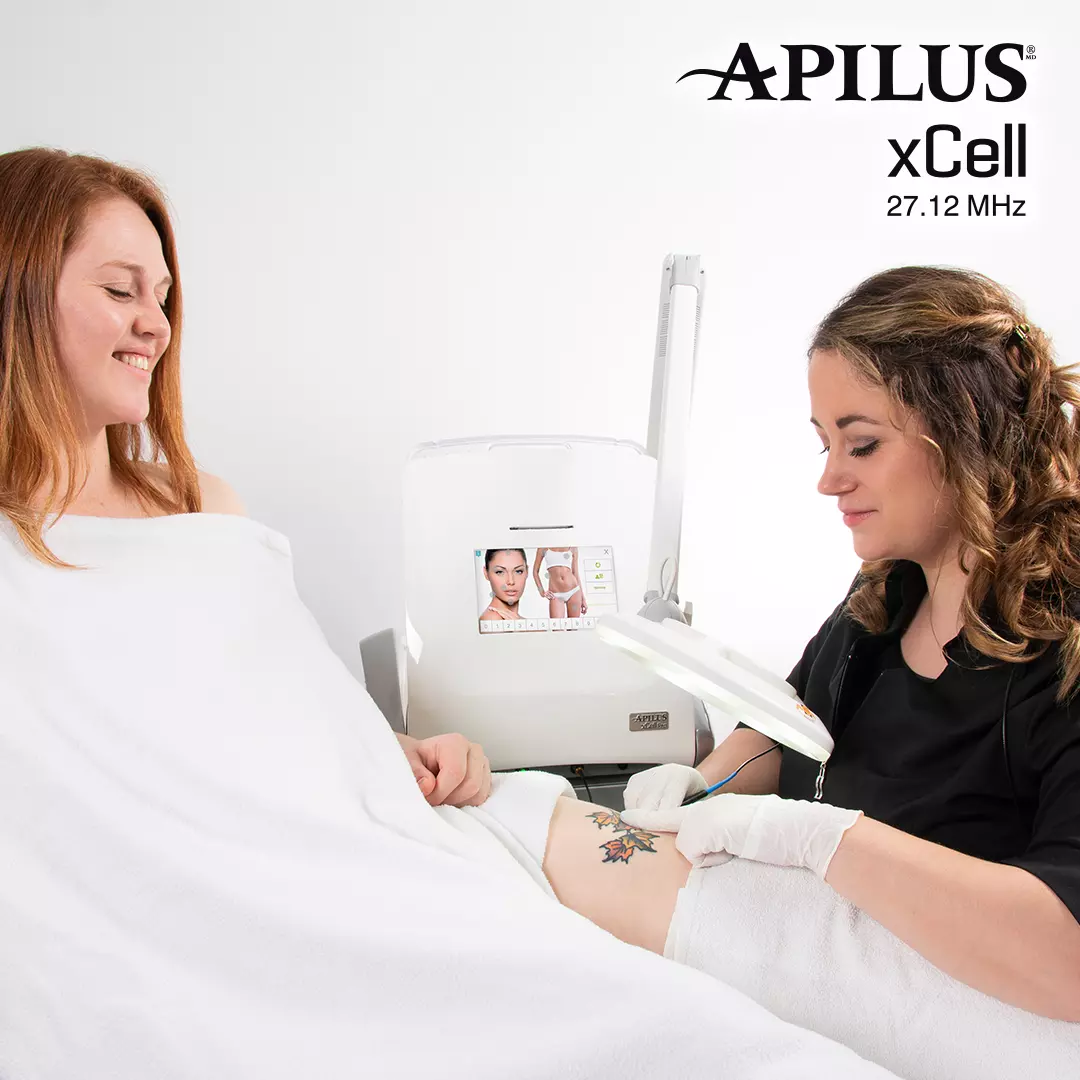
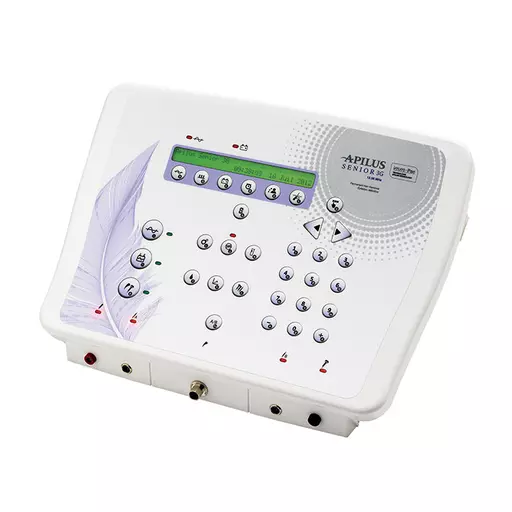
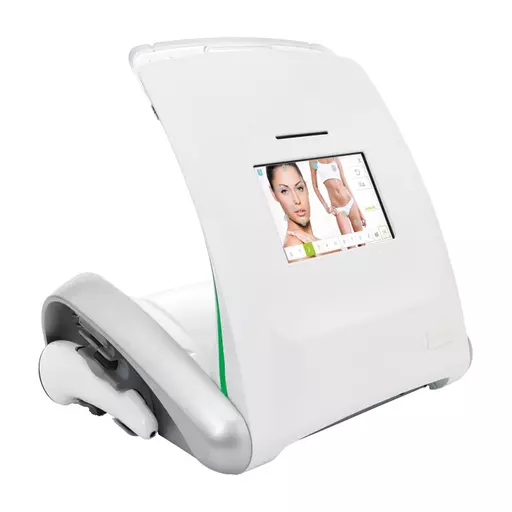
While it’s not completely pain-free, modern electrolysis machines like the Apilus precisely control the electric current and destroy the hair follicle so fast that any discomfort only lasts for a fraction of a second. For sensitive areas and clients, remind them that their feedback throughout the session is important. If the discomfort becomes harder to tolerate, lower machine settings may be possible, or shorter sessions might be better suited to some clients.
“Is it a big needle?”
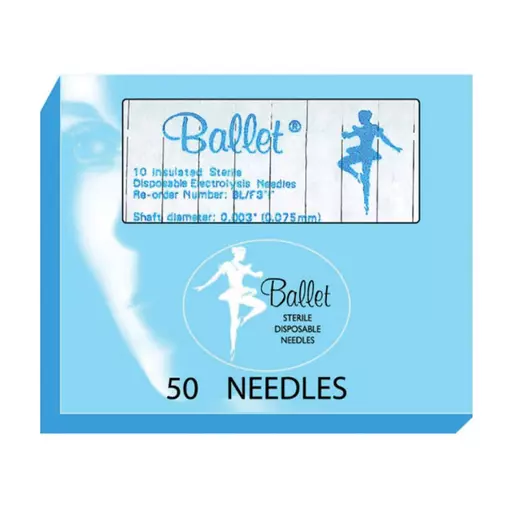
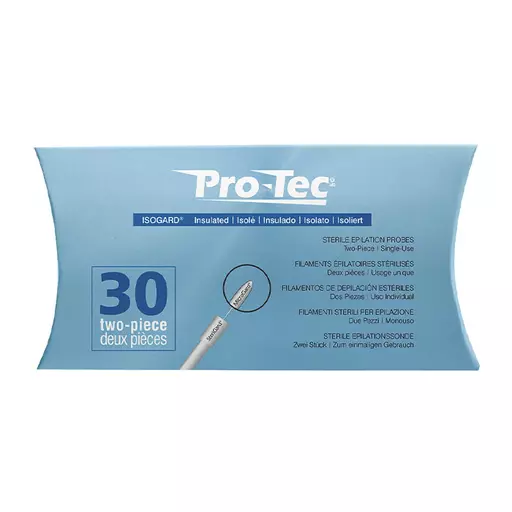
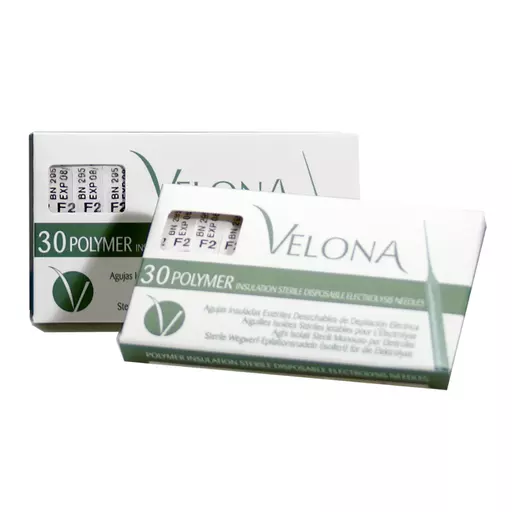
This is a common point of concern and confusion among first-time clients. Despite being referred to as a “needle”, electrolysis treatments shouldn’t actually pierce the skin. The needles used are incredibly fine and actually insert into the naturally occurring opening of the hair follicle, right alongside the hair that has grown out of it. The insertion of the needle is almost imperceptible and shouldn’t cause pain or discomfort.
Pro tip: While “needle” is mainly used in the UK, this can be off-putting and confusing to clients. It may be beneficial to clearly explain that electrolysis needles differ from medical hypodermic needles and show an example needle to your client.
"How long does each session take, and how many will I need?"
Session length depends on the area being treated. A small area such as the upper lip may take 15–30 minutes per session, while larger areas like the full legs or back require considerably longer appointments. Most treatment plans for moderate-sized areas involve sessions of 30–60 minutes.
The total number of sessions varies significantly from person to person and depends on factors including the size of the treatment area, hair density, hair coarseness, hormonal influences, and how consistently you attend appointments.
Pro tip: Avoid making specific promises about the number of sessions before a full consultation. If you do suggest any time frames, make it clear that this is an estimate or an average, and always mention the factors that influence outcomes so clients understand that electrolysis treatments aren’t quick solutions, but it is effective and permanent.
"Why do some hairs seem to come back after treatment?"
This is one of the most common questions. There are a few reasons a hair may appear to regrow after treatment:
- Hairs go through different phases, and it may not have been fully susceptible to the first treatment. It’s important to follow the instructions given by your electrologist (such as no plucking between appointments) to avoid unnecessary re-treatments.
- What looks like regrowth can be a previously dormant follicle that hasn’t yet been treated.
- In some cases, hormonal activity and conditions (such as PCOS or certain medications) can stimulate new follicles to become active.
This is why consistent, regular sessions are essential. We are working to systematically treat every active follicle over its full growth cycle.
"When will I start to see results?"
Many clients notice a visible reduction in hair density quite early in treatment, often after just a few sessions. That said, it's important to have realistic expectations. Electrolysis is a course of treatments, not a single procedure, and the timeline to visible results and full clearance varies significantly between individuals and the area being treated. Electrolysis is a classic example of “trust the process”, and regular photos can be a good way to see improvements and progress.
"I've had laser in the past. Can I still have electrolysis?"
Absolutely. In fact, this is a very common situation. Many clients use laser to achieve an initial reduction in hair density across a large area, and then transition to electrolysis to permanently clear the finer, lighter, or more stubborn hairs that laser cannot effectively target.
There is no clinical reason why you cannot move from laser to electrolysis, and many professionals use both technologies to achieve faster results over large areas. We would simply treat the area in the same way as any new client, assessing the hair that remains and building a treatment plan accordingly. Some clients also have electrolysis and laser treatments for different areas simultaneously.